
When Skill Meets Tension
There’s something quietly electric about poker. On one hand, you have the mathematics, the odds, the endless focus on strategy; on the other, you have gut instinct and the heart-thudding tension of a wager that could shift fortune in a blink. Online casinos have captured this dynamic so convincingly that sometimes I forget I’m not sitting at an actual table, tapping my chips against glass. Recently, I’ve found myself drawn into the world of no registration casinos, where the absence of bureaucratic steps makes every spin, deal, or bluff feel immediate—like the game is just waiting for you to breathe life into it.
You log in—or actually, you don’t even have to log in, that’s the beauty of it—and within seconds the cards are on the virtual felt. The tension builds in the same way it used to when I first played in smoky rooms decades ago. The screen might be flat, the pixels might glow, but the adrenaline, that’s real. Online platforms today put you right in the middle of the thrill, perfectly merging control with uncertainty.
The Online Casino Atmosphere

What amazes me most is how the casino atmosphere translates online. The hum is replaced by subtle sound effects—the shuffle of cards, the faint jingle of chips, the cheerful dealer’s voice through your speakers. And then there’s the color: deep greens, warm golds, and motion that seems to echo reality. Sometimes I catch myself leaning in, as though I can taste the tension.
It’s not just the interface that makes the game thrilling, it’s the psychology embedded within every click and every decision.
Casinos, both physical and virtual, build spaces designed for focus. You notice it when the background fades and all that remains is the rhythm of choices—call, fold, raise. That micro-moment before you move your cursor? That’s where the tension hides, coiled and waiting.
Enticing Bonuses and Quick Plays
I used to assume bonuses were just marketing fluff. Now, I see how cleverly they draw players deeper into the poker ecosystem. Registration offers, deposit matches, free spins—these are practical tools that make the experience accessible to beginners but rewarding to committed players too.
Let’s look, quickly, at how most casinos structure incentives:
- Welcome bonuses: usually matching your initial deposit.
- Free rounds: a way to test table mechanics before betting chips.
- Loyalty rewards: often disguised as simple points but actually quite generous for consistent play.
Each type adds another dimension to the poker thrill. You don’t just play—you build a rhythm, and with every added hand you sense your comfort growing.
Emotion Behind Every Hand
Playing poker, whether you’re live or online, becomes a personal test more than a financial one. I remember late nights when the soft glow of the monitor was the only light in the room. My coffee had gone cold, but my heart still raced as a final card turned over.
There’s always a mix of patience and impulse, and that duality keeps players glued.
Here’s what makes the dynamics fascinating:
- Skill development feels tangible—you can almost measure your growth session by session.
- Luck remains unpredictable, like a friend that sometimes betrays you.
- The sensation of near-miss outcomes creates emotional gravity. It’s frustrating yet oddly addictive.
The smartest players learn to channel emotion rather than silence it entirely. They anticipate the swing from hope to loss and back again. That’s where poker transforms from mere game to art.
Typical Poker Room Features
Modern gambling platforms keep surprising me with innovations meant to sharpen immersion. They no longer just replicate a table—they design environments of steady tension. Here’s a small comparison table showing what usually comes along inside today’s platforms:
| Feature | Traditional Casino | Online Casino |
|---|---|---|
| Atmosphere | Physical, sensory-rich | Digitally immersive ambiance |
| Game Speed | Slower, dependent on dealer pace | Adjustable, often faster rounds |
| Accessibility | Requires travel and dress codes | Instant entry from any device |
The line between reality and simulation keeps shrinking. You can even hover over interactive icons for quick rule reminders—truthfully, I find that helpful when I forget which hand beats which. For newcomers, it might feel like getting a small whisper of advice right when you need it most. Hover here to see how useful hints can be in live platforms too.
Players’ Journey of Skill
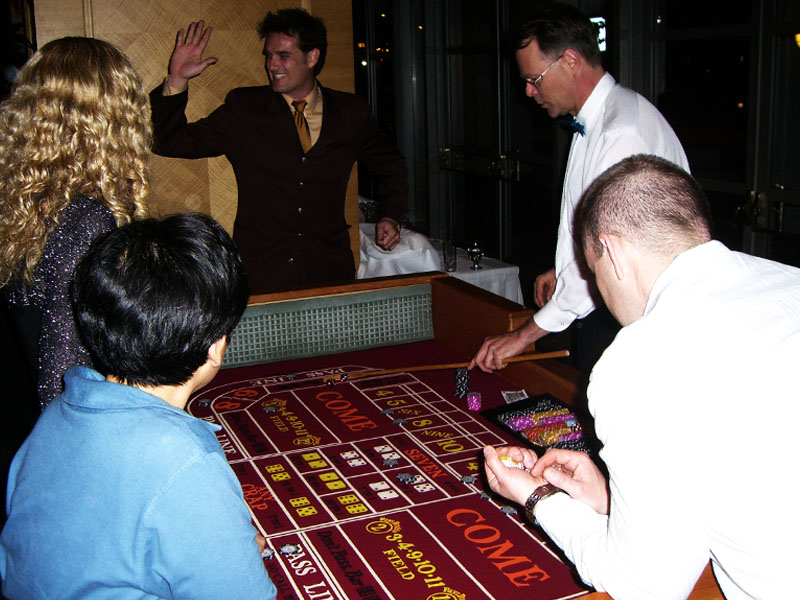
Every player’s path bends differently. Some chase jackpots, some chase perfection. A few chase nothing but time, hoping the cards help them unwind. There’s a collective pulse to the poker lobby—hundreds of players logged in, each facing the same shiver of uncertainty.
Three habits I’ve noticed from the most consistent players include:
- Reviewing every losing round instead of dismissing it.
- Setting personal win/loss boundaries before logging in.
- Pausing intentionally when they feel too confident, odd as that sounds.
Over time, you start seeing poker less as gambling and more as emotional training. Every fold teaches restraint. Every bold raise tests nerve. It’s not the victory you remember most, it’s the fragile silence before the reveal. Online or offline, that’s the space where skill and tension hold hands—and for a fleeting second, time itself plays along.


